
2025-12-22 08:01:10
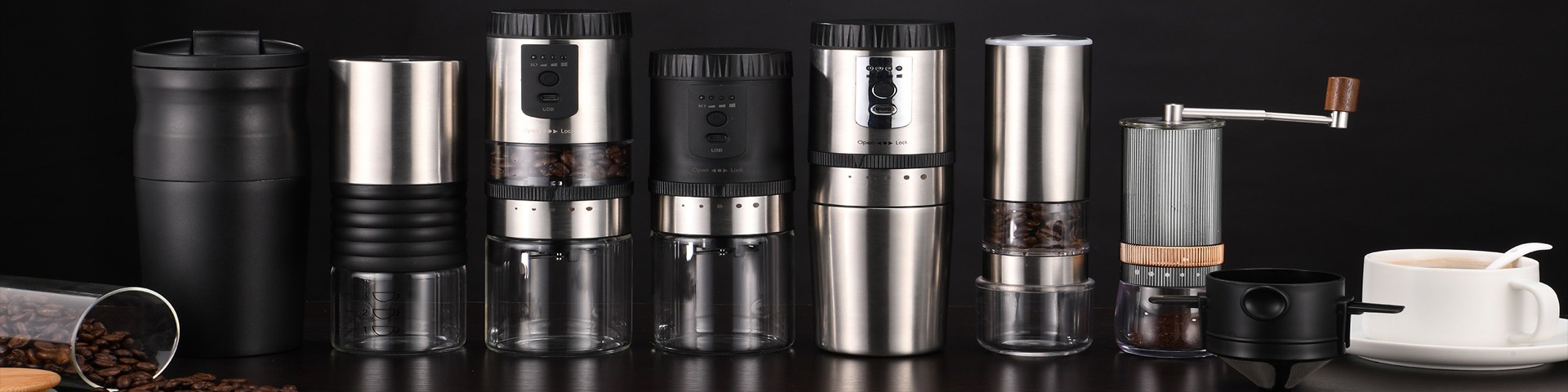
В мире кофе, где автоматизация и скорость часто доминируют, ручное измельчение кофейных зерен может показаться устаревшим или даже излишним занятием. Однако для истинных кофеманов это не просто процесс, а целый ритуал, который раскрывает глубину аромата и вкуса каждого зерна. В этой статье мы погрузимся в детали, чтобы объяснить, почему ручное измельчение кофе стоит тех усилий, которые вы вкладываете. Мы рассмотрим историю, науку, практические преимущества и эмоциональные аспекты этого метода, а также дадим советы по выбору оборудования и техникам. Приготовьтесь открыть для себя мир, где каждый помол — это шаг к совершенной чашке кофе.
Кофе — это больше, чем просто напиток; это культура, искусство и наука, объединенные в одном зерне. С момента его открытия в Эфиопии до глобального распространения, кофе эволюционировал через множество методов приготовления. Одним из ключевых этапов в этом процессе является измельчение. Ручное измельчение, хотя и требует времени и физических усилий, предлагает непревзойденный контроль над конечным результатом. В эпоху, когда все стремятся к удобству, возвращение к ручным методам может показаться контринтуитивным, но именно это позволяет нам замедлиться и оценить мельчайшие детали. Представьте себе утро: вы просыпаетесь, берете в руки ручную кофемолку, медленно вращаете ручку, и аромат свежемолотых зерен наполняет воздух. Это не просто приготовление кофе; это медитация, способ начать день с осознанностью и радостью.
Исторически, ручное измельчение было нормой до появления электрических кофемолок в начале 20 века. В культурах Ближнего Востока и Европы ручные мельницы использовались веками, часто передаваясь из поколения в поколение как семейные реликвии. Сегодня, с возрождением интереса к ремесленному кофе, ручное измельчение вновь обретает популярность. Оно символизирует связь с традициями и стремление к качеству, а не к количеству. Для многих это способ избежать шума современной жизни и создать что-то truly уникальное.
Но почему именно ручное измельчение? Ответ кроется в деталях. Автоматические кофемолки, хотя и удобны, часто перегревают зерна из-за высокоскоростных лезвий, что может привести к потере тонких ароматических соединений. Ручные же мельницы используют жернова, которые аккуратно разламывают зерна, сохраняя их целостность и высвобождая масла медленно и равномерно. Это похоже на разницу между быстрой едой на бегу и неторопливым ужином в хорошем ресторане — оба насытят, но один принесет гораздо больше удовольствия.
В этой статье мы разберем все аспекты ручного измельчения: от выбора правильной мельницы до техники помола и того, как это влияет на вкус вашего кофе. Мы также затронем психологические benefits, такие как снижение стресса и повышение креативности, которые приходят с этим процессом. К концу чтения вы, возможно, захотите попробовать это сами и descubrir, почему ручное измельчение кофе действительно стоит усилий.
Чтобы понять преимущества ручного измельчения, нужно немного углубиться в науку о кофе. Кофейное зерно — это сложная структура, содержащая сотни химических соединений, которые отвечают за его вкус и аромат. При помоле эти соединения высвобождаются, и то, как это происходит, напрямую влияет на конечный напиток. Ключевые факторы включают размер частиц, равномерность помола и температуру during процесса.
Размер частиц критически важен для экстракции — процесса, при котором вода вытягивает flavors из кофе. Слишком мелкий помол может привести к over-экстракции, делая кофе горьким, а слишком крупный — к under-экстракции, resulting в слабом и кислом вкусе. Ручные кофемолки, особенно те, что используют керамические или стальные жернова, позволяют precisely adjust размер частиц. Вы можете настроить помол под specific метод приготовления, будь то эспрессо, который требует очень fine помола, или френч-пресс, где нужен более coarse помол. Это уровень контроля, который rarely achievable с электрическими мельницами, especially в бюджетном сегменте.
Equally important is равномерность помола. В ручных мельницах жернова работают медленно и стабильно, producing consistent particles. В contrast, многие electric мельницы используют лезвия, которые chop зерна неравномерно, creating mix of fine и coarse particles. Это может lead к неравномерной экстракции, где часть кофе over-экстрагирована, а часть under-экстрагирована, resulting в flat или unbalanced вкусе. Исследования показали, что равномерный помол can improve вкус кофе на up to 20%, according to some coffee experts.
Температура — another crucial factor. Electric мельницы generate heat due to friction, which can degrade volatile aromatic compounds in the coffee. These compounds are responsible for the bright, fruity, or floral notes that make specialty coffee so delightful. Hand grinding keeps temperatures low, preserving these delicate flavors. It's like comparing a slow-cooked stew to a microwaved meal – both will feed you, but one retains more nuance and depth.
Moreover, the physical act of hand grinding engages multiple senses. You hear the crunch of the beans, feel the resistance in the handle, and smell the intensifying aroma. This multisensory experience can enhance your perception of the coffee's quality, a phenomenon supported by psychology studies on ritual and enjoyment. In essence, hand grinding isn't just about mechanics; it's about creating a holistic experience that elevates your coffee from a mere beverage to a moment of artistry.
Beyond the science, there are numerous practical reasons to choose hand grinding. Let's explore them in detail.
First, portability. Hand coffee grinders are compact and don't require electricity, making them ideal for travel, camping, or small kitchens. Imagine waking up in a mountain cabin, grinding fresh beans, and brewing coffee over a campfire – it's an experience that electric grinders can't replicate. Many models are designed to be lightweight and durable, often made from materials like stainless steel or ceramic that resist wear and tear.
Second, cost-effectiveness. High-quality electric grinders can be expensive, often costing hundreds of dollars for models that offer consistent grind quality. In contrast, a good hand grinder can be purchased for a fraction of that price, yet deliver comparable or even superior results for certain brewing methods. For example, brands like Hario or Porlex offer hand grinders in the $50-$100 range that are favored by coffee enthusiasts worldwide. This makes hand grinding an accessible entry point into the world of specialty coffee without breaking the bank.
Third, durability and low maintenance. Hand grinders have fewer moving parts than electric ones, which means there's less that can go wrong. With proper care, a hand grinder can last for decades. Cleaning is also simpler – most models can be disassembled easily for thorough cleaning, preventing oil buildup that can affect taste over time. Electric grinders, especially blade types, often accumulate grounds in hard-to-reach areas, leading to stale flavors if not cleaned regularly.
Fourth, noise reduction. Electric grinders can be loud, which might be disruptive in quiet mornings or shared living spaces. Hand grinders operate almost silently, allowing you to grind coffee without disturbing others. This is particularly beneficial for early risers or those with roommates.
Fifth, environmental impact. By using manual power, you reduce energy consumption. In an era focused on sustainability, hand grinding is a small but meaningful step toward a greener lifestyle. Additionally, many hand grinders are made from recyclable materials, further minimizing their ecological footprint.
Lastly, the educational aspect. Hand grinding forces you to learn about coffee more deeply. You become attuned to how different grind settings affect the brew, which can improve your overall coffee-making skills. It's a hands-on way to understand the variables that contribute to a great cup, making you a more informed and passionate coffee drinker.
Not all hand grinders are created equal. To get the most out of your efforts, it's important to choose one that suits your needs. Here's a guide to help you select the best hand grinder.
Key features to consider include the type of burrs, adjustability, build quality, and capacity. Burrs are the heart of a grinder – they do the actual grinding. Ceramic burrs are hard and retain sharpness well, but they can be brittle. Steel burrs are durable and often provide more consistent grinds, but they may require more effort to turn. For most users, steel burrs are recommended due to their longevity and performance.
Adjustability is crucial for versatility. Look for a grinder with fine-tune adjustments, allowing you to switch between espresso, pour-over, French press, and other methods easily. Some grinders have stepped adjustments (click-based), while others offer stepless adjustments (infinitely variable). Stepless grinders give you more precision, which is great for experimentation, but stepped ones are easier to use consistently.
Build quality affects durability and ease of use. Grinders made from metal parts tend to last longer than those with plastic components. Check for stability – a grinder that doesn't wobble during use will produce more consistent grinds. Also, consider the handle design; ergonomic handles reduce fatigue during grinding.
Capacity refers to how many beans you can grind at once. Most hand grinders hold between 20-40 grams, which is enough for a couple of cups. If you often make coffee for multiple people, you might want a larger capacity model to avoid multiple grinding sessions.
Popular models include the Hario Skerton Pro, known for its affordability and decent performance for coarse grinds; the Timemore Chestnut series, which offers excellent build quality and consistency; and the Comandante C40, a high-end option loved by professionals for its precision. Read reviews and watch videos to see how they perform in real-world scenarios.
Remember, the best grinder is one that you'll enjoy using regularly. Don't be afraid to invest a bit more for a model that feels good in your hands and meets your brewing needs. After all, this tool will be your partner in creating daily coffee moments.
Once you have your grinder, mastering the technique is key. Here are some tips to ensure you get the best results every time.
Start with quality beans. Freshly roasted, whole bean coffee is essential. Beans should be used within a few weeks of roasting for optimal flavor. Store them in an airtight container away from light, heat, and moisture.
Before grinding, measure your beans. Use a scale for accuracy – a common ratio is 1:15 or 1:16 coffee to water, but adjust based on your taste preferences. For example, for a 300ml cup, use about 18-20 grams of beans.
When grinding, maintain a steady, moderate pace. Rushing can lead to uneven particles, while going too slow might tire you out. Aim for about 1-2 minutes of grinding for a dose, depending on the grind size and your grinder's efficiency. Listen to the sound – a consistent crunch indicates good grinding.
Pay attention to the grind settings. For espresso, you need a very fine grind, almost like powder. For pour-over, a medium-fine grind is ideal, similar to table salt. For French press, go coarse, like breadcrumbs. Experiment with small adjustments to find what works best for your equipment and taste.
After grinding, use the coffee immediately. Ground coffee loses its freshness quickly due to increased surface area exposed to air. If you must store it, do so in an airtight container for no more than a day.
Clean your grinder regularly. Disassemble it and brush out any residual grounds. This prevents cross-contamination of flavors and ensures consistent performance. Some grinders come with cleaning tools, or you can use a small brush.
Practice makes perfect. Don't get discouraged if your first few attempts aren't perfect. Keep notes on grind settings and brewing results to refine your technique over time. Join online communities or local coffee groups to share tips and learn from others.
Finally, enjoy the process. Hand grinding should be a pleasure, not a chore. Put on some music, take deep breaths, and savor the ritual. It's a time to disconnect from screens and connect with the simple act of creating something wonderful.
The ultimate test of hand grinding is in the cup. Let's explore how it transforms the taste and aroma of your coffee.
Freshness is the most immediate benefit. When you grind beans just before brewing, you capture the peak of their flavor. Volatile oils and compounds are at their most potent, resulting in a brighter, more complex cup. Compare this to pre-ground coffee, which often tastes flat and stale due to oxidation.
With hand grinding, you achieve a more uniform extraction, as discussed earlier. This means flavors are balanced – you might notice clearer notes of chocolate, fruit, or nuts, depending on the bean's origin. For example, a Ethiopian Yirgacheffe might reveal its floral and citrus tones more vividly with a consistent hand grind.
Aroma is enhanced because the slow grinding process doesn't burn off the delicate scents. The first whiff when you open the grinder is often described as intoxicating by coffee lovers. This aroma carries through to the brewed coffee, making the drinking experience more immersive.
Body and mouthfeel can also improve. A well-ground coffee produces a smoother, richer texture. In methods like espresso, hand grinding can help create that coveted crema – the creamy layer on top – due to the precise control over fineness.
To illustrate, try a blind taste test. Brew two cups of coffee from the same beans: one ground with a hand grinder and one with a cheap electric grinder. You'll likely find the hand-ground coffee has more depth and clarity. Many coffee shops and baristas use hand grinders for tasting sessions because they highlight the bean's true character.
Moreover, hand grinding allows you to tailor the grind to specific beans. Light roasts, which are more delicate, benefit from a slightly coarser grind to avoid bitterness, while dark roasts can handle a finer grind for full extraction. This customization is hard to achieve with automated systems.
In summary, hand grinding elevates coffee from a generic drink to a personalized masterpiece. It's a small effort that yields significant rewards in every sip.
Beyond the physical and practical aspects, hand grinding offers profound psychological benefits. In our fast-paced world, taking time for slow, mindful activities can reduce stress and increase happiness.
The act of hand grinding is meditative. The repetitive motion of turning the handle can calm the mind, similar to practices like knitting or gardening. It forces you to be present in the moment, focusing on the task at hand rather than worrying about the day ahead. Studies have shown that engaging in manual rituals can lower cortisol levels and improve mood.
It also fosters a sense of accomplishment. Creating something from scratch – in this case, transforming whole beans into ground coffee – provides a tangible result that you can enjoy immediately. This can boost self-esteem and creativity, encouraging you to apply similar mindfulness to other areas of life.
For coffee enthusiasts, it deepens the connection to the product. Learning about the beans' origin, roast profile, and ideal grind settings makes you more appreciative of the journey from farm to cup. This awareness can lead to more ethical consumption choices, such as supporting fair trade or organic coffee producers.
Socially, hand grinding can be a conversation starter. Invite friends over for a coffee tasting session where you grind beans together – it's a fun, interactive way to share your passion. In cultures like Japan's, coffee rituals are deeply ingrained and seen as a form of hospitality and art.
Additionally, it encourages patience and delayed gratification. In an instant-gratification society, waiting a few minutes for grinding teaches valuable lessons about the rewards of effort. This mindset can spill over into other pursuits, making you more resilient and persistent.
Ultimately, hand grinding isn't just about coffee; it's about crafting a lifestyle that values quality, mindfulness, and joy in the simple things. It's a reminder that sometimes, the best things in life require a little extra effort.
After exploring all these facets, the answer is a resounding yes – hand grinding coffee is worth the effort. It enhances flavor, offers practical advantages, and enriches your emotional well-being. While it may not be for everyone (those with physical limitations or extreme time constraints might prefer electric options), for most coffee lovers, it's a rewarding practice that elevates the entire experience.
Start small if you're new to it. Invest in a decent hand grinder, experiment with different beans and methods, and notice the differences. You might find that those few minutes of grinding become a cherished part of your daily routine.
In a world where efficiency often trumps quality, hand grinding is a rebellion – a choice to prioritize depth over speed. So, grab those beans, turn that handle, and discover why this ancient method still has a place in modern coffee culture. Your taste buds (and your soul) will thank you.
Thank you for reading, and may your next cup be the best one yet!
Предыдущая статья: Сенсационный кофемолка экономит энергию и деньги
Следующий пост: найди свою идеальную кофемолку в стиле ретро раскрой все секреты вкуса