
2025-12-24 20:01:10
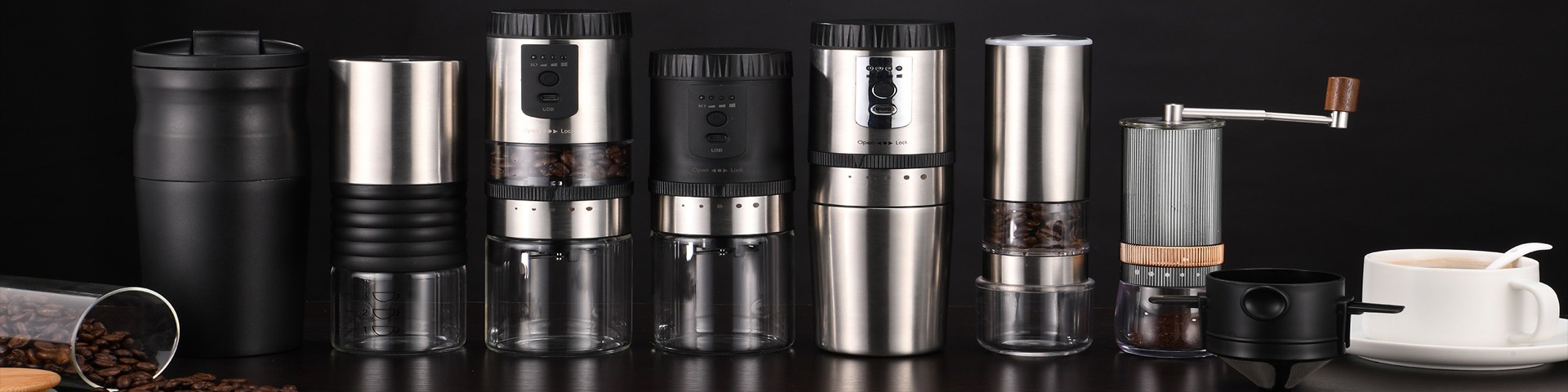
В мире кофе существует множество методов и инструментов для приготовления идеальной чашки, но одним из наиболее важных этапов является помол зерен. Качество помола напрямую влияет на вкус и аромат напитка, делая его насыщенным и сбалансированным. Среди различных типов кофемолок ручные модели занимают особое место, особенно когда речь идет о больших объемах. В этой статье мы подробно разберем, почему большая ручная кофемолка может стать незаменимым помощником, экономящим время и усилия при заваривании кофе. Мы рассмотрим преимущества таких устройств, сравним их с электрическими аналогами, обсудим практические аспекты использования и предложим советы по выбору и эксплуатации.
Кофе — это не просто напиток, а целая культура, которая объединяет миллионы людей по всему миру. От выбора зерен до способа заваривания, каждый этап играет ключевую роль в создании идеального вкуса. Помол зерен является фундаментальным процессом, поскольку он определяет, насколько эффективно экстрагируются масла и ароматические соединения из кофе. Слишком грубый помол может привести к недостаточной экстракции, делая кофе водянистым и безвкусным, в то время как слишком мелкий помол может вызвать переэкстракцию, resulting in a bitter and overpowering brew. Поэтому контроль над помолом — это первый шаг к совершенству в кофеварении.
Исторически ручные кофемолки использовались веками, начиная с простых каменных жерновов и evolving into sophisticated manual grinders of today. Они предлагают unparalleled precision and control, allowing coffee enthusiasts to tailor the grind size to their specific brewing method, whether it's for espresso, pour-over, French press, or cold brew. However, manual grinding is often perceived as time-consuming and labor-intensive, especially when dealing with large quantities. This is where large manual coffee grinders come into play, designed to handle bigger batches with ease while maintaining the benefits of manual operation.
In this comprehensive discussion, we will explore how a large manual coffee grinder can save time and effort in the coffee brewing process. We will delve into the ergonomics, efficiency, and overall user experience, providing insights backed by practical examples and expert opinions. By the end of this article, you will have a clear understanding of why investing in a large manual grinder is a smart choice for both home baristas and professionals alike.
Одним из главных преимуществ ручной кофемолки является возможность полного контроля над процессом помола. В отличие от электрических моделей, которые часто работают на высоких скоростях и могут generate heat that negatively affects the coffee's flavor, manual grinders operate at a slower, more controlled pace. This minimizes heat buildup, preserving the delicate oils and aromas that are essential for a rich and complex cup of coffee. Additionally, manual grinders typically feature adjustable settings that allow for fine-tuning the grind size, ensuring consistency from batch to batch.
For coffee aficionados, this level of control is invaluable. It enables them to experiment with different grind sizes and brewing methods, ultimately leading to a more personalized and enjoyable coffee experience. Moreover, manual grinders are often built with high-quality materials such as ceramic or steel burrs, which are durable and provide a uniform grind. This consistency is crucial for achieving balanced extraction, whether you're making a single cup or a large pot for guests.
Another significant advantage is the portability and simplicity of manual grinders. They do not require electricity, making them ideal for use in various settings, from camping trips to small apartments where space is limited. This versatility adds to their appeal, as they can be used anywhere without the need for power outlets or additional equipment. However, the manual effort required can be a drawback for some, especially when grinding large amounts. This is where the size of the grinder becomes a critical factor.
When we talk about a 'large' manual coffee grinder, we refer to models designed with a bigger hopper capacity and more robust construction to handle larger quantities of coffee beans at once. This design directly addresses the time-consuming aspect of manual grinding. For instance, a standard manual grinder might have a hopper that holds around 20-30 grams of beans, requiring multiple refills for a full pot of coffee. In contrast, a large manual grinder can hold 50 grams or more, reducing the number of times you need to stop and refill during the grinding process.
This reduction in interruptions translates to significant time savings. Let's consider a practical example: if you're brewing coffee for a family or a small gathering, you might need to grind 60 grams of beans. With a small grinder, you might have to grind in two or three batches, taking around 2-3 minutes per batch due to the manual effort. That's a total of 4-9 minutes spent just on grinding. With a large manual grinder, you can grind all 60 grams in one go, cutting the time down to perhaps 3-4 minutes because you're not stopping to refill. Over time, these saved minutes add up, especially for daily coffee drinkers.
Furthermore, large manual grinders are often engineered with improved mechanical advantages, such as larger burrs or more efficient gear ratios, which make the grinding process smoother and less strenuous. This means that even though you're grinding more beans at once, the physical effort required per gram of coffee is lower. For example, some models feature ergonomic handles that leverage torque, allowing you to grind with less force. This efficiency not only saves time but also reduces fatigue, making the process more enjoyable and sustainable in the long run.
The effort involved in manual grinding is a common concern, but large manual coffee grinders are specifically designed to mitigate this issue through thoughtful ergonomics and construction. These grinders often incorporate features such as comfortable grips, stable bases, and smooth grinding mechanisms that distribute the force evenly. For instance, many high-end manual grinders use ball bearings or other low-friction components to ensure that the grinding action is as effortless as possible.
In terms of design, large manual grinders are built to be more robust, with materials like stainless steel or heavy-duty plastics that can withstand the increased workload. This durability means that the grinder remains reliable over time, reducing the need for frequent maintenance or replacements. Additionally, the larger size often allows for a more stable operation, as the grinder is less likely to tip over or move during use, which can be a problem with smaller, lighter models.
From a user perspective, the reduced effort is not just about physical comfort; it also enhances the overall coffee-making experience. When grinding is less tedious, you're more likely to enjoy the process and focus on other aspects of brewing, such as water temperature and brew time. This holistic approach can lead to better-tasting coffee and a more satisfying ritual. Moreover, for those with physical limitations, such as arthritis or weak grip strength, a well-designed large manual grinder can make coffee preparation accessible and enjoyable.
Electric coffee grinders are popular for their convenience and speed, but they come with their own set of drawbacks. Firstly, electric grinders can be noisy, which might be disruptive in quiet environments like early mornings or shared living spaces. Secondly, they generate heat during operation, which can oxidize the coffee oils and lead to a loss of flavor. This is particularly problematic for grinders with blade mechanisms, as they tend to produce an inconsistent grind and excessive heat.
In contrast, manual grinders operate quietly and without heat generation, preserving the coffee's integrity. While electric grinders might grind faster for small amounts, for large quantities, the time difference can narrow. For example, an electric grinder might take 30 seconds to grind 60 grams, but a large manual grinder could do it in 3-4 minutes. However, when you factor in the setup, cleaning, and noise, the manual option might be more appealing for those who value quality and tranquility.
Moreover, manual grinders are generally more affordable and have lower maintenance costs. They don't have motors that can burn out or electronic components that might fail. This makes them a cost-effective choice in the long run, especially for enthusiasts who grind coffee daily. Additionally, the manual process encourages a more mindful approach to coffee preparation, which can be a rewarding experience in itself. For these reasons, a large manual grinder can be a superior choice for anyone prioritizing flavor, control, and simplicity over sheer speed.
To maximize the time and effort savings with a large manual coffee grinder, it's important to use it correctly. Start by choosing the right grind size for your brewing method. For example, a coarse grind is ideal for French press, while a fine grind is needed for espresso. Adjust the settings on your grinder accordingly, and make sure to clean it regularly to prevent coffee oils from building up and affecting performance.
When grinding large amounts, work in a steady, rhythmic motion to maintain consistency and reduce strain. If possible, grind directly into your brewing device to minimize transfer and potential mess. Store your coffee beans in a cool, dark place to maintain freshness, and only grind what you need immediately to preserve flavor. For even greater efficiency, consider pre-measuring your beans before grinding, so you can start the process without interruptions.
Investing in a quality grinder with good reviews and warranties can also enhance your experience. Look for models with ceramic burrs, as they stay sharp longer and provide a consistent grind. Finally, practice makes perfect – the more you use your grinder, the more efficient you'll become at estimating grind times and effort required. Over time, you'll find that a large manual grinder becomes an indispensable tool in your coffee arsenal.
In conclusion, a large manual coffee grinder offers a compelling combination of control, quality, and efficiency that can save both time and effort in the coffee brewing process. By allowing for larger batch grinding, reducing interruptions, and incorporating ergonomic designs, these grinders make manual coffee preparation more practical and enjoyable. While they may require a bit more initial effort compared to electric models, the benefits in terms of flavor preservation, cost-effectiveness, and overall experience are significant.
For coffee lovers who brew in volume or value the ritual of hand-grinding, a large manual grinder is an excellent investment. It encourages a deeper connection to the coffee-making process and ensures that every cup is crafted with care and precision. As the coffee culture continues to evolve, tools like these remind us that sometimes, the best things in life are worth a little extra effort – but with the right equipment, that effort can be minimized without sacrificing quality.
We hope this article has provided valuable insights into why a large manual coffee grinder is a smart choice for saving time and effort. Whether you're a home barista or a professional, consider adding one to your setup and experience the difference it can make. Happy brewing!
Предыдущая статья: Невероятно удобные беспроводные кофемолки для идеального утра
Следующий пост: Тихий электрический кофемолка изменит ваше утро навсегда