
2025-12-27 20:01:10
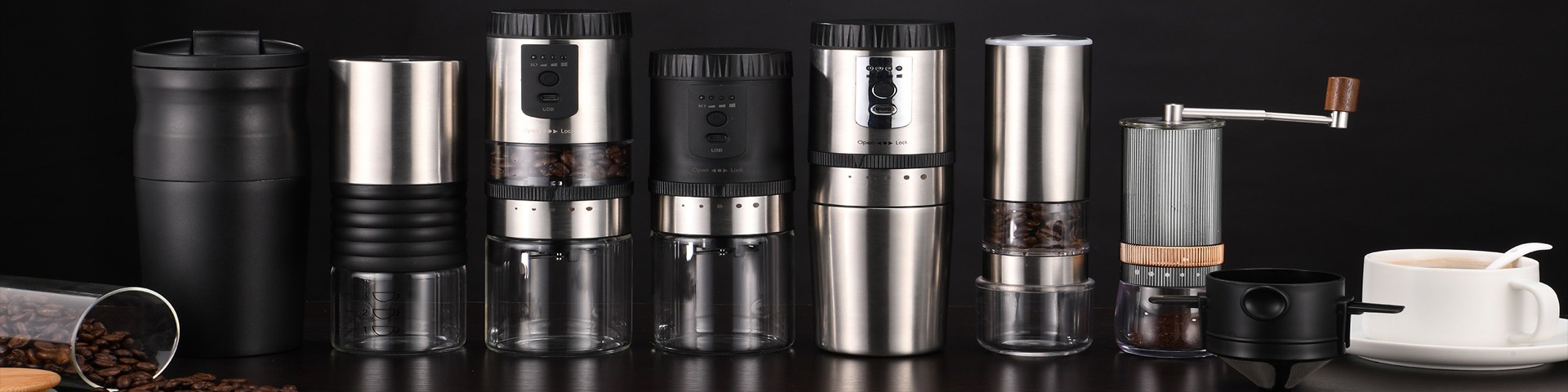
Вы когда-нибудь задумывались, почему ваш домашний кофе иногда не такой ароматный и вкусный, как в любимой кофейне? Возможно, секрет кроется не только в качестве зерен, но и в том, как вы их перемалываете. Действительно ли мельница для кофе так важна? И как выбрать лучшую из множества вариантов на рынке? В этой статье мы подробно рассмотрим эти вопросы, чтобы помочь вам найти идеальную кофемолку для вашего дома.
Кофе — это не просто напиток; это искусство, которое начинается с правильного помола. Свежемолотые зерна сохраняют эфирные масла и ароматы, которые быстро улетучиваются после измельчения. Но если вы используете неподходящую мельницу, кофе может стать горьким, кислым или просто безвкусным. Так ли это критично? Абсолютно! Исследования показывают, что до 70% вкуса кофе зависит от равномерности помола. Представьте: вы покупаете дорогие зерна из Эфиопии или Колумбии, но если мельница не справляется, вы теряете всю их прелесть. Неужели вы готовы мириться с посредственным кофе?
На рынке существует несколько типов кофемолок, каждая со своими преимуществами и недостатками. Давайте разберем их подробно.
Ручные мельницы — это классика, которая возвращается в моду. Они не требуют электричества, тихие и часто более долговечные. Но подходят ли они для ежедневного использования? Если вы цените ритуал и не против потратить несколько минут на помол, то да. Однако для больших объемов или утренней спешки они могут быть неудобны. Как насчет равномерности помола? Современные ручные модели, такие как Hario Skerton или Porlex, предлагают хороший контроль, но все же уступают некоторым электрическим аналогам.
Электрические мельницы с жерновами считаются золотым стандартом для домашнего использования. Они обеспечивают равномерный помол и быстры, что идеально для занятых людей. Но все ли они одинаково хороши? Конечно, нет! Жернова могут быть керамическими или стальными. Керамические долговечны и не нагреваются, но могут быть хрупкими. Стальные прочнее, но иногда нагреваются, что может повлиять на вкус кофе. Модели от брендов like Baratza или Breville предлагают настройки от эспрессо до френч-пресса. Стоит ли инвестировать в такую мельницу? Если вы серьезно относитесь к кофе, то определенно да!
Мельницы с лезвиями — это бюджетный вариант, который работает по принципу блендера. Они дешевы и компактны, но насколько они эффективны? К сожалению, лезвия измельчают зерна неравномерно, создавая смесь крупных и мелких частиц. Это может привести к переэкстракции (горький вкус) или недэкстракции (кислый вкус). Подходят ли они для чего-то, кроме самого простого кофе? Probably not, если вы aiming для качества. Однако для occasional use или если budget tight, они might be an option. But is it worth sacrificing taste?
Выбирая мельницу, важно учитывать несколько факторов. Давайте explore them one by one.
Это, perhaps, самый важный аспект. Uneven grind can ruin even the best beans. How to ensure uniformity? Look for mills with burr grinders rather than blades. Burr grinders crush beans between two surfaces, resulting in consistent particles. Some models offer adjustable settings for different brew methods. For example, espresso requires a fine grind, while French press needs coarse. Can you imagine using the same grind for both? It would be a disaster! So, does your chosen mill allow for precise adjustments?
If you're always in a hurry, electric mills are a lifesaver. They can grind beans in seconds, whereas manual ones take longer. But speed isn't everything. Noise level might be a concern, especially in small apartments. Some electric mills are notoriously loud. Would you want to wake up the whole household at 6 AM? Also, consider ease of cleaning. Mills with removable parts are easier to maintain. How often do you plan to clean it? Coffee oils can build up and affect flavor over time.
How much coffee do you drink daily? If you're a solo drinker, a small mill might suffice. For families, larger capacity is better. Design-wise, mills come in various styles from minimalist to retro. Should you choose based on aesthetics? Well, if it's going to sit on your countertop, why not? But functionality should come first. Also, consider the footprint—some mills are bulky, while others are compact. Will it fit in your kitchen?
Price ranges from under $20 for blade grinders to over $200 for high-end burr mills. Is it worth spending more? In the long run, yes. A good mill can last years and improve your coffee experience dramatically. Think of it as an investment. Cheap mills might break quickly or perform poorly, leading to frustration. How much are you willing to pay for perfect coffee every morning?
Once you've chosen a mill, using it correctly is key. Here are some tips.
Different brew methods require different grind sizes. For espresso, you need a fine, powdery grind to ensure proper extraction under pressure. For pour-over or drip coffee, a medium grind is ideal. French press demands a coarse grind to avoid sediment. Do you know the settings for your mill? Experiment to find what works best. A common mistake is grinding too fine for French press, resulting in a muddy cup. How annoying is that?
To keep your mill in top condition, clean it regularly. Use a brush to remove coffee grounds and oils. Some mills have self-cleaning features. How often should you clean? After every use is ideal, but at least once a week. Neglecting cleaning can lead to stale flavors. Also, check for wear on burrs or blades. Replace them as needed to maintain performance. Isn't it better to spend a few minutes cleaning than to drink bad coffee?
Grind coffee just before brewing for the freshest taste. Store beans in an airtight container away from light and heat. Why grind fresh? Pre-ground coffee loses flavor rapidly due to oxidation. Does your routine allow for grinding each time? If not, consider a mill with a timer or dose control for convenience.
Based on expert reviews and user feedback, here are five great options.
Often hailed as the best entry-level burr grinder, the Baratza Encore offers consistent grind quality and 40 settings. It's reliable and easy to use. Price around $150. Is it worth it? For serious coffee lovers, yes. It handles everything from espresso to cold brew with ease.
This electric mill has digital controls, 60 grind settings, and a dose control function. It's versatile and precise. Price around $200. Would you appreciate the customization? If you love tweaking your brew, this is a great choice.
A manual option, the Hario Skerton Pro is affordable (around $50) and portable. It has improved stability over previous models. Good for travel or small kitchens. But is manual grinding for you? Only if you enjoy the process.
With 15 settings and a compact design, this mill is user-friendly and quiet. Price around $100. Does it offer good value? Yes, for those wanting quality without breaking the bank.
An electric blade grinder under $30. It's basic but functional for casual users. However, grind consistency is poor. Should you buy it? Only if budget is the top priority and quality isn't critical.
Choosing the best coffee mill for your home isn't just about buying a gadget; it's about enhancing your daily ritual. Whether you opt for a manual mill for its charm or an electric one for convenience, prioritize grind consistency and durability. Remember, great coffee starts with great grinding. So, ask yourself: What do I value most—speed, control, or budget? Your answer will guide you to the perfect mill. Don't settle for mediocre coffee; invest in a tool that will bring joy to every cup. Ready to upgrade your coffee experience?
This article has covered the essentials, but the journey doesn't end here. Experiment, learn, and enjoy the process. After all, isn't that what coffee is all about? Cheers to many perfect brews ahead!
Предыдущая статья: Измельчитель бобов с большим объемом для идеального помола
Следующий пост: Как выбрать портативную кофемолку для идеального помола в походе