2025-12-28 16:01:10
Добро пожаловать в мир, где каждая чашка кофе становится шедевром, а ваш бизнес процветает благодаря простому, но мощному инструменту – коммерческой кофемолке. В этой статье мы погрузимся в детали того, как это оборудование может кардинально изменить ваше заведение, привлечь больше клиентов и увеличить прибыль. Мы рассмотрим всё: от основ выбора кофемолки до продвинутых стратегий маркетинга. Готовы? Поехали!
В индустрии гостеприимства кофе – это не просто напиток, это опыт. Свежий помол кофе – ключ к раскрытию его полного аромата и вкуса. Исследования показывают, что кофе, смолотый непосредственно перед завариванием, сохраняет до 60% больше ароматических масел compared to pre-ground coffee. Это означает, что ваши клиенты будут чувствовать разницу с первой же глотки. Imagine: aroma that fills the room, taste that lingers on the palate – this is what keeps customers coming back.
But it's not just about taste; it's about perception. A commercial grinder in your establishment signals professionalism and commitment to quality. Customers are willing to pay premium prices for premium experiences. Studies indicate that cafes with visible grinders see a 15-20% increase in average ticket size. That's direct impact on your bottom line.
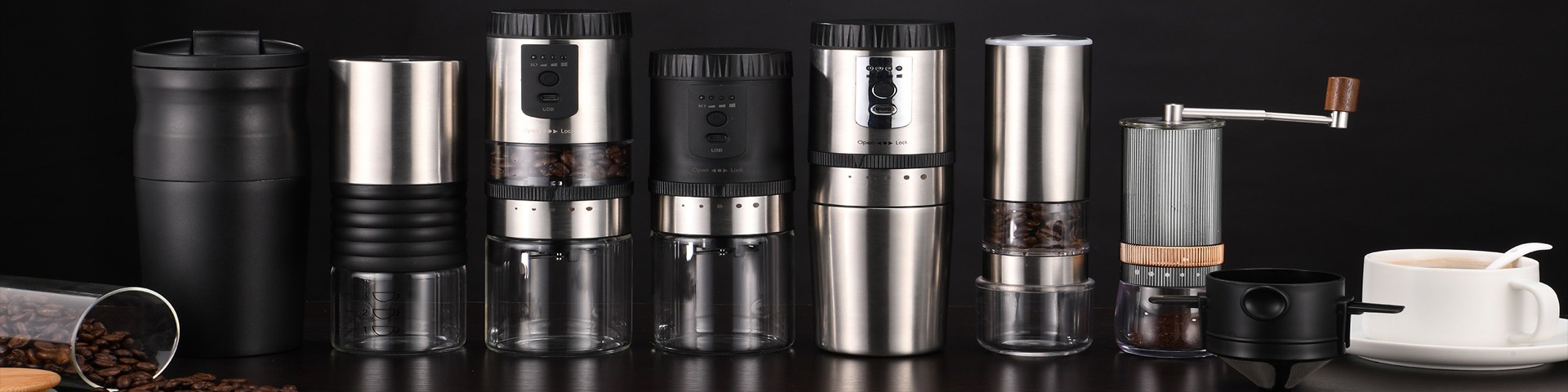
There are several types of commercial grinders: blade grinders, burr grinders (flat or conical), and specialized grinders for espresso or filter coffee. Burr grinders are the gold standard for consistency. Flat burrs offer precision for espresso, while conical burrs are versatile for various brew methods. Consider your volume: low-volume cafes might opt for a single-dose grinder, while high-volume establishments need a hopper-fed model with timer settings.
Key factors to consider: grind consistency, speed, noise level, durability, and ease of cleaning. Brands like Mahlkönig, Anfim, and Mazzer are industry leaders. For example, the Mahlkönig EK43 is renowned for its uniform grind, perfect for specialty coffee. Budget-wise, expect to invest from $500 to $3000, but remember – this is an investment that pays for itself through increased sales.
Integration starts with staff training. Teach baristas the importance of grind size adjustment based on coffee bean type and brew method. A finer grind for espresso, coarser for French press. Use a scale for precision – consistency is king. Implement a routine: grind fresh for each order to maximize flavor.
Store beans properly: in airtight containers, away from light and heat. Rotate stock to ensure freshness. Monitor grind settings daily; environmental factors like humidity can affect grind size. Clean the grinder regularly to prevent oil buildup that can stale the coffee. A clean grinder means better taste and longer equipment life.
Leverage the visual and olfactory appeal. Place the grinder in a visible spot – let customers see and hear the grinding process. It creates theater and anticipation. Use social media: post videos of grinding action, share behind-the-scenes content. Hashtags like #FreshGrind #CoffeeLove can boost engagement.
Offer tasting events or workshops where you explain the difference fresh grind makes. Partner with local roasters for bean exclusivity. Highlight it in your menu: "Freshly ground to order" – this simple phrase can justify higher prices. Collect customer feedback; positive reviews about taste can be powerful marketing tools.
The initial cost might seem high, but calculate the return. Assume a grinder costs $2000. If it helps increase sales by 20%, and your monthly revenue is $10,000, that's an extra $2000 per month. The grinder pays for itself in just one month! Plus, reduced waste – no more stale pre-ground coffee thrown away.
Long-term, better coffee leads to customer loyalty. Repeat business is cheaper than acquiring new customers. Also, you can upsell – offer premium beans at higher margins. The grinder enables this flexibility. Track metrics: sales data, customer retention rates pre and post implementation.
Common pitfalls: inconsistent grinding due to poor calibration, not cleaning regularly, using wrong grind size for the brew method. Avoid by investing in a quality grinder with easy adjustment, setting up a maintenance schedule, and continuous staff training.
Another mistake: neglecting bean quality. The best grinder won't save bad beans. Source high-quality, freshly roasted beans. Store them correctly. Finally, don't overlook customer education – if they don't know why fresh grind matters, they might not appreciate the premium.
The future is smart and sustainable. Grinders with IoT connectivity for remote monitoring and adjustment. Models with reduced noise and energy consumption. Some brands are incorporating AI to auto-adjust grind based on bean density and humidity.
Sustainability trends: grinders made from recycled materials, designs that minimize coffee waste. As consumers become more eco-conscious, this can be a selling point. Also, customization – grinders that allow for very specific settings for niche brew methods like cold brew or AeroPress.
In summary, a commercial coffee grinder is not just a tool; it's a transformation agent for your business. It enhances taste, boosts perceived value, and drives profitability. By choosing the right grinder, integrating it seamlessly, and marketing it effectively, you can create an unparalleled coffee experience that keeps customers loyal and your cash register ringing.
Start today – assess your current setup, plan the investment, and watch your business flourish with every fresh grind. Remember, in the world of coffee, freshness isn't just a preference; it's a promise of excellence.
This article has covered the essentials, but the journey is yours to take. Embrace the grind, and let your business thrive on taste!
Предыдущая статья: Керамические жернова секрет безупречного вкуса вашего эспрессо
Следующий пост: Почему регулируемая кофемолка изменит ваше утро навсегда